2026 LoL Championship Rule Changes: Deep Dive
Advertisements
Recent 2026 updates to the LoL Championship Series reflect major structural and competitive changes aimed at increasing engagement and strategic depth. The league has returned to a standalone format after the LTA experiment, introducing a three-split calendar, more matches, and a stronger focus on regional identity and fan connection.
One of the most impactful rule changes is the introduction of the “First Selection” draft system, allowing teams to choose between side selection and first pick, fundamentally altering competitive strategy and preparation. Additionally, formats now emphasize best-of-three and best-of-five series over single games, increasing competitive integrity and rewarding adaptability across longer matches.
Looking ahead, stakeholders should monitor how these changes affect team performance, viewership, and talent development pipelines, including Tier 2 integration and promotion systems. With evolving formats, new international qualification paths, and innovations like “Fearless Draft” at global events, 2026 is shaping a more dynamic and strategically complex future for competitive League of Legends.
Advertisements
Understanding the New Competitive Landscape
The competitive League of Legends scene is on the cusp of a significant transformation as Riot Games officially unveiled a series of rule adjustments set to debut with the 2026 League of Legends Championship Series. These changes are poised to reshape strategic approaches, player development, and the overall viewing experience for millions.
Initial reactions from professional organizations and players indicate a period of intense adaptation will be necessary. Teams are already beginning to analyze the potential ramifications, understanding that these updates are not merely minor tweaks but fundamental shifts.
Riot Games asserts these revisions are designed to enhance competitive integrity and foster a more dynamic, engaging spectacle for fans. The goal is to evolve the game while maintaining its core appeal, ensuring the longevity and excitement of professional play.
Key Rule Modifications for 2026
Several pivotal areas of the competitive structure will see significant alterations, affecting everything from in-game mechanics to tournament formats. These modifications stem from extensive data analysis and feedback gathered over recent seasons.
Among the most talked-about changes are adjustments to champion select procedures and a re-evaluation of map objectives. These elements directly influence early game strategies and team compositions, forcing a re-think of established meta-game tactics.
Furthermore, new regulations concerning player contracts and team roster flexibility aim to promote a more sustainable ecosystem for professional players and organizations. This addresses long-standing concerns within the esports community regarding player welfare and career stability.
Champion Select Overhaul and its Implications
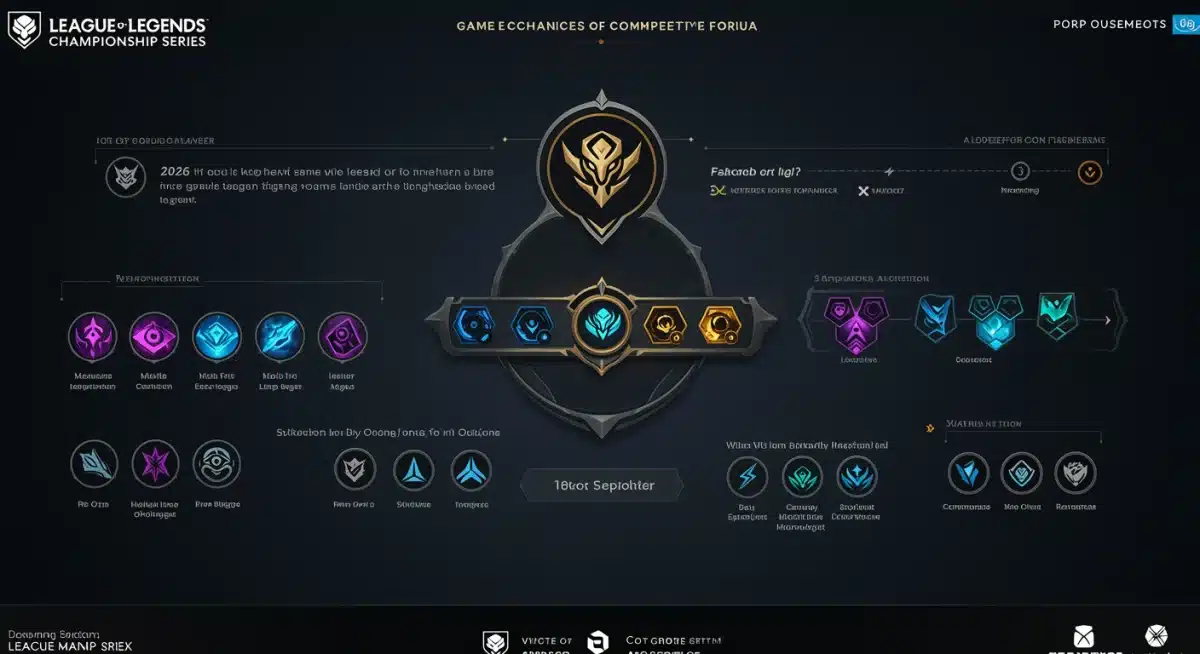
The revised champion select system introduces a dynamic banning phase, allowing for more strategic counter-picking and adaptability. This move aims to prevent stale meta compositions and encourage a broader champion pool usage.
Teams will need to invest more time in scouting and understanding their opponents’ champion preferences and weaknesses.
The ability to react quickly and intelligently during pick-ban will become an even more critical skill for coaches and players alike.
Map Objective Rework and Strategic Shifts
Changes to key map objectives, such as Dragon and Baron buffs, are expected to create more contested early game scenarios and potentially shift power spikes.
The developers intend for these changes to open up new pathways for comebacks and reduce snowballing effects.
This re-evaluation of objective value will force teams to prioritize different parts of the map at various stages of the game. Expect to see innovative pathing and objective control strategies emerge as teams adapt to these significant alterations.
Player and Team Adaptations: The Road Ahead
The transition to the 2026 competitive season will undoubtedly be a demanding period for all involved in the League of Legends Championship Series. Players, coaches, and analysts will need to recalibrate their understanding of the game at its highest level.
Training regimens will likely undergo substantial revisions, with a renewed focus on versatility and deep champion knowledge. Teams that can quickly and effectively adapt their playstyles are poised to gain a significant advantage.
Organizational support, in terms of sports psychology and analytical resources, will become even more crucial. The mental fortitude required to navigate such extensive changes cannot be overstated, making comprehensive support systems vital for success.
Financial and Structural Impacts on Organizations
Beyond the in-game ramifications, the new rule changes will also have considerable financial and structural impacts on esports organizations. Increased investment in analytical tools and coaching staff is anticipated to decipher the evolving meta quickly.
The revised player contract guidelines, while beneficial for player stability, may also necessitate adjustments to team budgets and recruitment strategies. Organizations must balance competitive ambition with financial prudence under the new framework.
Furthermore, the long-term sustainability of smaller organizations within the League of Legends Championship Series could be tested. Those with limited resources may struggle to keep pace with rapid strategic shifts and increased operational costs.
Roster Flexibility and Player Market Dynamics
New roster flexibility rules in the League of Legends Championship Series are expected to accelerate player movement, with teams prioritising adaptable talent capable of performing across multiple roles and evolving metas. This shift increases the value of versatility, as organisations aim to stay competitive in a faster-changing strategic environment.
This matters because a more active transfer market can reshape team dynamics mid-season, creating both opportunities and instability. Players who consistently perform across patches and demonstrate strong game sense are likely to become key assets, while teams may experiment more with rotations and substitutions.
Looking ahead, analysts should monitor transfer trends, academy promotions, and how teams balance experience with emerging talent. The evolving ecosystem may also strengthen development pipelines, as organisations invest in scouting and training players who can quickly adapt to future competitive changes.
Fan Engagement and Broadcast Innovations
Riot Games is also leveraging these rule changes to introduce innovations in broadcast presentation and fan engagement. The aim is to make the viewing experience more immersive and educational, helping fans understand the depth of strategic play.
Expect enhanced analytical segments, real-time strategy breakdowns, and interactive viewing options that highlight the impact of the new rules. This approach seeks to draw in new viewers while retaining the loyal fanbase.
The narrative surrounding the 2026 League of Legends Championship Series will undoubtedly focus on how teams unravel the new meta, creating compelling storylines for fans to follow. The element of the unknown adds an exciting layer to the upcoming season.
The Future of Competitive Balance
A primary objective behind these rule changes is to foster greater competitive balance across the League of Legends Championship Series. By introducing more variables and opportunities for strategic diversity, Riot hopes to see a wider array of teams contend for championships.
This pursuit of competitive balance is crucial for maintaining viewer interest and ensuring the long-term health of the esport. A predictable competitive scene can lead to viewer fatigue, something these changes aim to actively combat.
However, the true impact on competitive balance will only become clear once teams have had sufficient time to experiment and optimize their strategies within the new framework. The initial phases of the 2026 season will be critical in assessing this goal.
Expert Predictions and Community Reactions
Esports analysts and commentators have already begun to weigh in on the potential outcomes of these rule changes. While opinions vary, a common sentiment is that the 2026 season will be one of the most unpredictable and exciting in recent memory.
Many experts foresee a temporary disruption to the dominance of established powerhouses, as newer teams might adapt more quickly to the revised meta. This could lead to fresh faces in championship contention, energizing the competitive landscape.
The community reaction has been a mix of apprehension and excitement. While some concerns exist regarding the learning curve, a majority of fans express enthusiasm for the prospect of a revitalized and strategically deeper League of Legends Championship Series.
Long-Term Vision for League of Legends Esports
These rule changes are not isolated incidents but part of a broader, long-term vision for League of Legends esports. Riot Games is committed to continually evolving the competitive experience to keep it fresh, challenging, and engaging for all stakeholders.
The insights gained from the 2026 season will inform future iterations and adjustments, ensuring a dynamic and responsive development cycle. This iterative approach is crucial for an esport that thrives on constant evolution and strategic innovatarcanenews.com/esports-careers-beyond-pro-gaming-in-the-usion.
Ultimately, these updates underscore Riot’s dedication to maintaining League of Legends’ position at the forefront of the esports world. The forthcoming season serves as a testament to their ambition to push the boundaries of competitive gaming.
| Key Point | Brief Description |
|---|---|
| Champion Select Changes | Dynamic banning phase to diversify champion picks and strategies. |
| Map Objective Rework | Adjustments to Dragons and Baron for more contested gameplay. |
| Player Contract Guidelines | New rules promoting player stability and team roster flexibility. |
| Competitive Balance Focus | Aim to create a more unpredictable and diverse competitive landscape. |
Frequently Asked Questions About the 2026 LoL Championship Rule Changes
The most significant changes include a dynamic champion select banning phase and a re-evaluation of map objective values, specifically Dragons and Baron. These adjustments aim to foster more strategic diversity and reduce stale meta-game predictability in competitive play.
Players and teams will need to undergo significant adaptation, focusing on champion versatility and strategic flexibility. Coaching staffs will require enhanced analytical resources to quickly decipher the evolving meta, potentially leading to shifts in team compositions and playstyles.
Yes, new regulations concerning player contracts and roster flexibility have been introduced. These aim to provide greater stability for professional players while also allowing teams more strategic options in managing their rosters, potentially influencing player market dynamics substantially.
Riot Games’ primary goal is to enhance competitive integrity, foster greater strategic diversity, and create a more dynamic and engaging viewing experience. These changes are intended to ensure the long-term health and excitement of the League of Legends Championship Series by evolving its core gameplay.
The changes are designed to promote greater competitive balance by introducing more strategic variables, potentially challenging the dominance of established teams. This could lead to a broader array of teams contending for championships and a more unpredictable, exciting season for fans.
Looking Ahead: The Evolving Meta of the League of Legends Championship Series
The unveiling of these comprehensive rule changes for the 2026 League of Legends Championship Series signifies a pivotal moment for competitive gaming.
The coming months will be crucial as teams and players embark on the challenging journey of deciphering the new meta and optimizing their strategies.
These updates are a clear indicator of Riot Games’ commitment to keeping the esport fresh and engaging, promising an exciting and unpredictable future for fans and competitors alike.