Decoding Esports Contracts 2026: 7 Clauses Pro Players Must Know
Advertisements
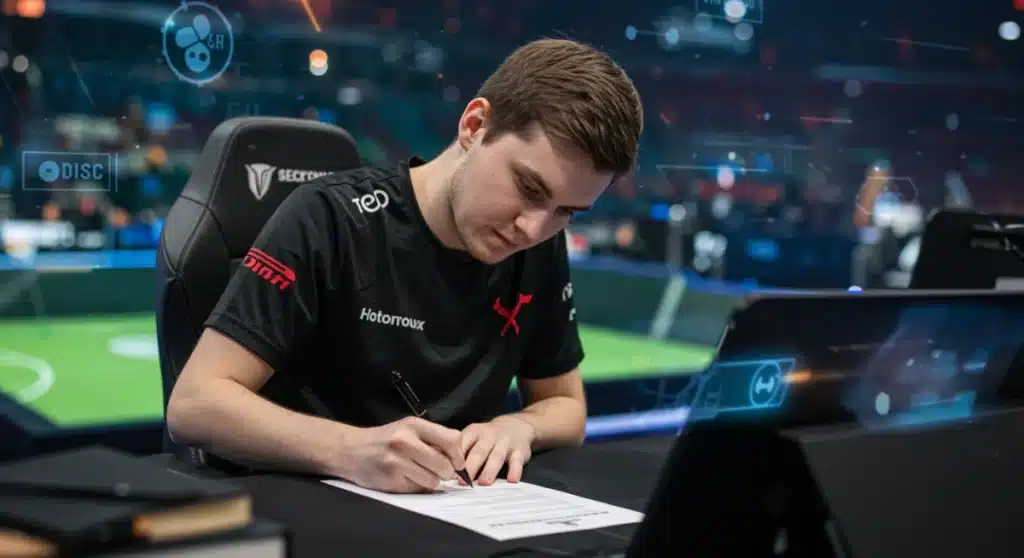
Latest developments on Decoding Esports Contracts in 2026 highlight increasing standardization as teams, leagues, and legal bodies refine agreements to protect both players and organizations.
Industry updates show greater emphasis on transparency, revenue sharing, and player rights within competitive gaming contracts.
Key facts indicate that seven critical clauses are drawing attention: salary structure, prize money distribution, sponsorship obligations, streaming rights, termination conditions, non-compete terms, and health/wellness provisions. Verified insights reveal that players are negotiating more control over personal branding and content monetization.
Looking ahead, players should monitor contract transparency standards, legal protections, and evolving league regulations. Understanding these clauses will be essential for securing fair agreements and building long-term careers in the U.S. esports ecosystem.
Advertisements
The Evolving Landscape of Esports Contracts
The esports industry continues its rapid ascent, transitioning from a niche pastime to a global phenomenon. With this growth comes increased professionalization, and at its core, the contracts governing player-organization relationships are more critical than ever.
As 2026 approaches, the legal frameworks surrounding esports are maturing, demanding a higher level of scrutiny and understanding from professional players. The stakes are higher, and so is the complexity of the agreements.
Navigating these intricate legal documents requires more than just a quick read; it demands a deep dive into specific clauses that can significantly impact a player’s career, finances, and long-term well-being. Understanding these nuances is paramount for any aspiring or current pro.
Understanding Compensation and Revenue Sharing
Compensation clauses are often the first point of interest for any player, detailing salary, bonuses, and prize money distribution. However, the intricacies extend beyond the base figures, encompassing performance incentives and potential penalties.
Revenue sharing, particularly from streaming, endorsements, and merchandise, has become a significant component of a player’s overall income. Contracts now frequently outline how these additional revenue streams are split between the player and the organization.
It is crucial for players to understand not just the percentages but also the methods of calculation and payment schedules. Transparency in these areas can prevent disputes and ensure fair compensation for a player’s brand and efforts in Esports Contracts 2026.
Salary and Bonus Structures
A player’s base salary is typically fixed, but performance bonuses can significantly boost earnings. These often tie into team achievements, individual milestones, or even viewership metrics.
Understanding the conditions for bonus activation and the exact payout structure is vital. Players should clarify if bonuses are guaranteed, conditional, or subject to discretionary decisions by the organization.
This clarity prevents potential misunderstandings and ensures that players are appropriately rewarded for their contributions to team success and brand growth within the evolving landscape of Esports Contracts 2026.
Prize Money Distribution
- Clear delineation of prize money splits between players, coaches, and organizations.
- Policies regarding taxes on prize money and who bears the responsibility.
- Mechanisms for disputing prize money distribution if discrepancies arise.
Intellectual Property and Content Ownership
In esports, a player’s identity and content creation are intrinsically linked to their professional brand. Contracts now extensively cover who owns what, particularly regarding in-game names, likeness, and streaming content.
Organizations often seek broad rights to utilize player images, names, and even their unique gameplay for marketing and promotional purposes. Players must scrutinize these clauses to protect their personal brand and future opportunities.
The ownership of streaming content, highlight reels, and social media presence can be a contentious area. Clear definitions of ownership and usage rights are essential in Esports Contracts 2026 to avoid future conflicts.

Player Likeness and Image Rights
Organizations typically require the right to use a player’s image and likeness for promotional materials. This can include photos, videos, and even virtual representations of the player.
Players should ensure that the scope of these rights is clearly defined, including the duration of usage and any limitations. Ambiguity here can lead to exploitation of a player’s public persona.
Negotiating for a percentage of revenue generated directly from the use of their likeness can be a strategic move. This ensures fair compensation for their brand value, an important aspect of Esports Contracts 2026.
Content Creation and Ownership
- Clarify ownership of personal streams, videos, and social media content created by the player.
- Understand any obligations to create content for the organization and the terms of compensation.
- Define what happens to player-created content if they leave the organization.
Term, Termination, and Buyout Clauses
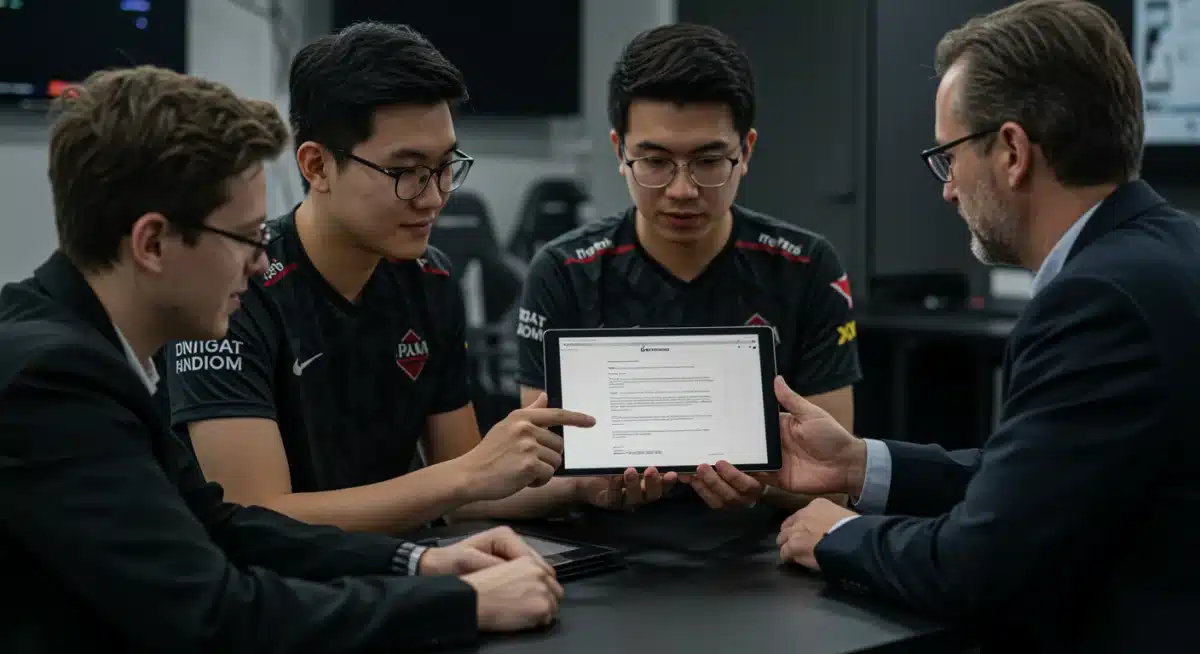
The duration of a contract, the conditions under which it can be terminated, and any potential buyout clauses are fundamental. These clauses dictate a player’s career mobility and financial obligations.
Understanding the specific grounds for termination, whether by the player or the organization, is crucial. This includes performance clauses, behavioral expectations, and mutual agreement provisions.
Buyout clauses, which specify the financial cost for another organization to acquire a player’s contract, significantly impact a player’s market value and transferability. These are increasingly common in Esports Contracts 2026.
Contract Duration and Renewal Options
The length of an esports contract can vary significantly, from short-term agreements to multi-year commitments. Players should weigh the benefits of stability against the flexibility of shorter terms.
Renewal options often favor the organization, giving them the right to extend a player’s contract under specific conditions. Players should negotiate for mutual renewal clauses or favorable terms.
Understanding the implications of contract length on career progression and market value is essential for strategic planning in Esports Contracts 2026.
Termination Conditions and Penalties
- Clearly defined grounds for termination by both the player and the organization.
- Financial penalties or obligations associated with early contract termination.
- Provisions for resolving disputes related to termination, such as arbitration.
Non-Compete and Confidentiality Agreements
Non-compete clauses restrict a player’s ability to join a rival organization after their contract ends. Confidentiality agreements protect sensitive information belonging to the organization.
These clauses are designed to protect the organization’s competitive edge and trade secrets. However, they can also severely limit a player’s career prospects if overly broad or restrictive.
Players must carefully review the scope, duration, and geographic limitations of non-compete clauses. Negotiating reasonable terms is vital to protect future employment opportunities within the competitive landscape of Esports Contracts 2026.
Scope of Non-Compete Clauses
Non-compete clauses can vary widely in their restrictiveness, sometimes preventing players from joining any competing team for a specified period. The definition of “competing team” is critical.
Players should negotiate for narrow definitions of competition and reasonable timeframes for these restrictions. An overly broad non-compete can effectively sideline a player even after their contract concludes.
Legal counsel can help assess the enforceability and fairness of such clauses, ensuring they do not unduly impede a player’s future career. This is a key consideration for Esports Contracts 2026.
Confidentiality and Disclosure
- Obligations to keep sensitive team strategies, financial information, and internal communications private.
- Consequences of breaching confidentiality, which can include significant financial penalties.
- Exceptions for disclosures required by law or to legal counsel.
Health, Wellness, and Player Support
The physical and mental well-being of esports players is gaining increasing recognition. Contracts in 2026 are expected to include more comprehensive clauses regarding player health and support systems.
This includes provisions for medical coverage, access to sports psychologists, and physical therapists. Organizations are beginning to understand the long-term benefits of investing in player welfare.
Players should actively seek out and negotiate for robust health and wellness clauses. These protections are essential for sustaining a long and healthy career in the demanding world of professional esports, making them vital to Esports Contracts 2026.
Medical and Mental Health Provisions
Access to qualified medical professionals for physical ailments, such as repetitive strain injuries, is paramount. Contracts should specify the extent of medical coverage provided.
Mental health support, including access to therapists and counselors, is equally important given the high-pressure environment of esports. These provisions contribute significantly to player longevity.
Players should ensure these clauses are not merely lip service but offer tangible, accessible support systems. This is a non-negotiable aspect of modern Esports Contracts 2026.
Performance Enhancement and Lifestyle Support
- Access to physical trainers and nutritionists to maintain peak physical condition.
- Support for travel, accommodation, and other logistical needs during competitions.
- Educational resources or career development support for life after competitive play.
Dispute Resolution and Governing Law
Even with the most carefully drafted contracts, disputes can arise. The clauses outlining how these disagreements will be resolved, and under which legal jurisdiction, are critically important.
Common resolution methods include mediation, arbitration, or traditional litigation. Each method has its own advantages and disadvantages in terms of cost, speed, and privacy.
Understanding the governing law, which specifies which jurisdiction’s laws will apply to the contract, is also essential. This can have significant implications, especially for international players, when considering Esports Contracts 2026.
Arbitration vs. Litigation
Arbitration offers a potentially faster and more private alternative to traditional court litigation. However, the decisions of arbitrators are often binding with limited avenues for appeal.
Litigation provides a formal court process with established rules of evidence and appeal rights, but it can be a lengthy and public affair. Players should understand the implications of each.
Negotiating for a preferred dispute resolution method can be a critical aspect of contract negotiations. This choice impacts how future conflicts are handled in Esports Contracts 2026.
Choice of Law and Venue
- Specification of the legal jurisdiction whose laws will govern the contract.
- Designation of the physical location where any legal disputes will be heard.
- Implications of international laws for players competing globally.
Sponsorship Obligations and Endorsements
Esports players often become brand ambassadors, and their contracts detail their obligations to team sponsors and personal endorsement deals. This is a complex area requiring careful attention.
Organizations typically have master sponsorship agreements that players must adhere to, which can include wearing specific brands, promoting products, and participating in marketing campaigns.
Players also need to understand their rights to pursue personal endorsements and how these interact with team obligations. Avoiding conflicts of interest is paramount for seamless brand integration in Esports Contracts 2026.
Team Sponsorship Requirements
Contracts outline the specific duties players have towards team sponsors, which might include wearing jerseys, participating in events, or creating social media content. Adherence is typically mandatory.
Players should seek clarity on the time commitment required for these obligations and whether additional compensation is provided. Overburdening players with sponsor duties can impact their performance.
Understanding the scope of these requirements ensures players can meet expectations without compromising their training or personal time, a key element of Esports Contracts 2026.
Personal Endorsement Rights
- Conditions under which players can secure their own endorsement deals.
- Restrictions on endorsing competing brands or products that conflict with team sponsors.
- Procedures for seeking approval for personal endorsement opportunities.
| Key Contract Clause | Brief Description |
|---|---|
| Compensation & Revenue | Defines salary, bonuses, and prize money splits, including streaming revenue. |
| Intellectual Property | Governs ownership of player likeness, in-game identity, and content created. |
| Term & Termination | Outlines contract duration, conditions for early termination, and buyout fees. |
| Non-Compete | Restricts player’s ability to join rival teams after contract expiration. |
Frequently Asked Questions About Esports Contracts
New players often overlook restrictive intellectual property clauses or overly broad non-compete agreements. These can significantly limit their future career flexibility and control over their personal brand. Thorough review of all clauses, especially those related to content ownership and post-contract employment, is essential for new players. Understanding Esports Contracts 2026 is crucial.
Legal representation is highly important. An experienced attorney can identify unfavorable clauses, negotiate better terms, and ensure the contract aligns with the player’s best interests. They provide crucial guidance on complex legal language and protect players from potentially exploitative agreements, especially when dealing with the nuances of Esports Contracts 2026.
Yes, but typically under specific conditions outlined in the contract’s termination clause. These conditions often involve breaches of contract by the organization, mutual agreement, or paying a buyout fee. Players should understand these clauses thoroughly before signing to know their options for early exit in Esports Contracts 2026.
A broad non-compete clause can severely restrict a player’s ability to join other teams or compete professionally after their contract ends. It can limit their marketability and force them into a temporary hiatus. Negotiating for a reasonable scope and duration is vital to protect future career prospects under Esports Contracts 2026.
Health and wellness clauses ensure players receive necessary medical, physical, and mental health support. This proactive approach helps prevent injuries, manage stress, and prolong career longevity. These provisions are becoming increasingly standard, reflecting a growing industry focus on player well-being in Esports Contracts 2026.
Looking Ahead: The Future of Esports Contract Negotiations
The evolution of Esports Contracts 2026 signifies a maturing industry where player welfare and legal protection are gaining prominence. As the financial stakes continue to rise, so does the complexity of the agreements governing professional players.
Players must approach contract negotiations with a proactive mindset, armed with knowledge and supported by experienced legal counsel. The days of signing boilerplate agreements without scrutiny are rapidly fading.
The insights provided on Esports Contracts serve as a crucial guide, highlighting the critical areas that demand attention. Staying informed and advocating for fair terms will be paramount for sustained success in the competitive esports landscape.