Collegiate Esports 2026: Scholarships & Pro Pathways
Advertisements
The Explosive Growth of Collegiate Esports
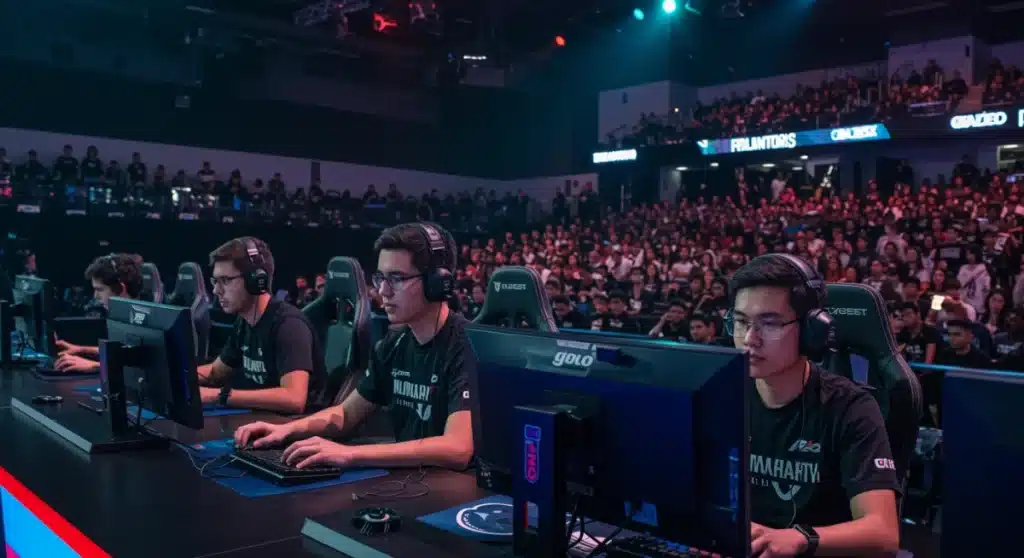
Collegiate Esports has moved beyond a niche activity to become a mainstream phenomenon within higher education. This rapid expansion is driven by increasing student interest, technological advancements, and the growing recognition of esports as a viable career path.
Advertisements
The year 2026 marks a critical juncture, with more institutions formalizing their programs and offering robust support structures. This includes dedicated gaming facilities, coaching staff, and academic integration, signaling a long-term commitment.
The overall impact on university campuses extends beyond competitive play, fostering communities and developing skills transferable to various professional fields. The collegiate esports ecosystem is maturing at an accelerated pace.
Increased Institutional Investment and Recognition
Universities nationwide are channeling significant resources into their esports programs, recognizing the recruitment and retention benefits. This investment manifests in state-of-the-art arenas, high-performance equipment, and full-time administrative positions dedicated to esports.
The National Association of Collegiate Esports (NACE) and other governing bodies play a crucial role in standardizing rules and promoting fair play across institutions. Their guidelines help legitimize collegiate esports as a structured athletic endeavor, comparable to traditional sports.
This increased recognition is vital for attracting top talent and securing external partnerships with endemic and non-endemic brands. The financial backing from these partnerships further fuels program development and student support.
- Dedicated esports facilities and training centers
- Professional coaching staff and academic advisors
- Formalized competitive seasons and championship events
- Integration into university athletic departments or student life
The commitment from universities underscores the long-term viability and growth potential of collegiate esports. This institutional buy-in is a foundational element for the sustained development of the sector.
Scholarship Opportunities for Student Gamers
One of the most transformative aspects of the rise of collegiate esports in 2026 is the proliferation of scholarship opportunities. These financial aids are making higher education more accessible for talented gamers, mirroring traditional athletic scholarships.
Universities are actively recruiting students based on their gaming prowess, offering partial or full tuition scholarships. These opportunities alleviate financial burdens and incentivize students to pursue both academic excellence and competitive gaming.
The availability of esports scholarships is attracting a new demographic of students to universities, enhancing diversity and fostering a vibrant campus culture. It also provides a clear incentive for high school students to develop their gaming skills with an academic future in mind.
Eligibility and Application Processes
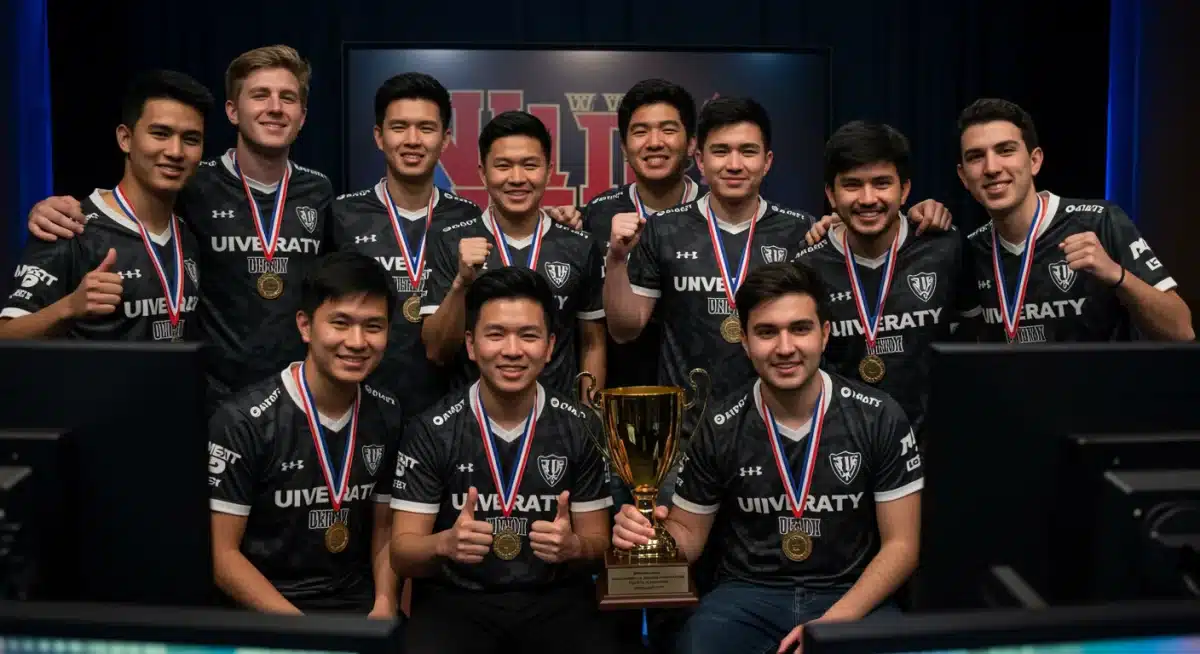
Eligibility for esports scholarships typically involves a combination of academic standing, competitive gaming achievements, and recommendations. Prospective students often need to demonstrate a strong GPA alongside a proven track record in specific esports titles.
The application process usually includes submitting academic transcripts, competitive gaming resumes, and often participating in tryouts or skill assessments. Some programs also require essays or interviews to gauge a candidate’s commitment and team fit.
It is imperative for interested students to research specific university requirements well in advance, as criteria can vary significantly between institutions. Early engagement with university esports coaches and admissions offices is highly recommended.
- Minimum GPA requirements and academic performance
- Competitive ranking or significant tournament experience
- Demonstrated leadership and teamwork skills
- Commitment to both academic and esports responsibilities
The competitive nature of these scholarships means that students must excel in multiple domains. The rise of collegiate esports in 2026 demands a holistic approach to student-athlete development.
Professional Pathways Beyond Graduation
Beyond scholarships, Collegiate Esports is also creating defined professional pathways for graduates. The skills honed in collegiate esports extend far beyond just playing games, opening doors to diverse career options.
Students are gaining valuable experience in teamwork, strategic thinking, leadership, and communication, all highly sought-after attributes in the modern workforce. These transferable skills are proving invaluable across various industries.
The esports industry itself is experiencing exponential growth, generating a multitude of roles that collegiate programs are uniquely positioned to feed. This includes positions in game development, event management, marketing, and broadcast production.
Emerging Career Opportunities in Esports
The professional esports ecosystem is vast and multifaceted, offering roles such as professional player, coach, analyst, and team manager. Collegiate programs provide a direct pipeline to these competitive positions, equipping students with the necessary skills and networks.
Furthermore, the demand for content creators, casters, and social media managers within esports organizations is booming. Students with strong communication and media production skills can find lucrative careers leveraging their passion for gaming.
Technical roles like IT support for events, network administration, and game balance design are also in high demand. Collegiate esports graduates are well-prepared to step into these specialized positions within the rapidly expanding industry.
- Professional esports player and coaching roles
- Esports event management and marketing specialists
- Broadcast production and content creation positions
- Game development and analytics roles
The professional landscape for esports graduates is continuously evolving, reflecting the dynamic nature of the industry. The rise of collegiate esports in 2026 ensures a steady supply of skilled talent to meet this demand.
Academic Integration and Skill Development
Collegiate esports programs are increasingly integrating academic elements, recognizing the educational value of competitive gaming. This integration ensures that students are not only developing their gaming skills but also enhancing their academic profiles.
Many universities offer courses or even degrees related to esports, covering topics such as game design, sports management, and digital media. This academic framework provides a holistic educational experience for student-athletes.
The skills developed through collegiate esports, such as critical thinking, problem-solving, and communication, are highly transferable to various academic disciplines and professional careers. This makes esports a valuable addition to a student’s educational journey.
Curriculum and Educational Programs
Universities are developing specialized curricula to support the growing interest in esports. These programs often combine theoretical knowledge with practical experience, preparing students for diverse roles within the industry.
Courses might cover the business of esports, legal aspects of gaming, psychological factors in competition, and data analytics. This interdisciplinary approach provides a comprehensive understanding of the esports ecosystem.
The academic rigor associated with these programs ensures that students are not just playing games but are critically analyzing and contributing to the development of the esports industry. This academic foundation strengthens the professional pathways available.
Challenges and Future Outlook
Despite the rapid growth, the rise of collegiate esports in 2026 faces several challenges, including funding stability, gender diversity, and maintaining academic integrity. Addressing these issues is crucial for sustained growth and broader acceptance.
Ensuring equitable access and opportunities for all students, regardless of background or gender, remains a key focus for program developers. Efforts are underway to create more inclusive environments within collegiate esports.
The future outlook for collegiate esports is overwhelmingly positive, with continued expansion and innovation expected. The integration of new technologies and further institutional support will solidify its place in higher education.
Addressing Equity and Inclusivity
Gender diversity in collegiate esports is a significant area of focus, with initiatives aimed at encouraging more female participation. Creating supportive and inclusive environments is paramount to attracting a broader range of talent.
Universities are implementing policies and programs to combat toxicity and promote positive sportsmanship within their esports communities. This ensures a safe and welcoming space for all student-athletes.
Efforts to provide resources and opportunities to underserved communities are also gaining traction, ensuring that the benefits of collegiate esports are accessible to a wider demographic. The rise of collegiate esports in 2026 depends on these inclusive practices.
- Initiatives to increase female representation in esports
- Anti-harassment policies and positive gaming environments
- Outreach programs for underrepresented groups
- Scholarships specifically aimed at promoting diversity
The sustained growth of collegiate esports relies heavily on its ability to evolve into a truly inclusive and equitable environment. These challenges represent opportunities for positive development.
Impact on University Recruitment and Retention
The presence of robust esports programs is significantly impacting university recruitment and retention strategies. For many prospective students, especially those with a passion for gaming, a strong esports offering can be a deciding factor in their college choice.
Universities are leveraging their esports programs as a unique selling proposition to attract a diverse cohort of students. This not only boosts enrollment figures but also enhances the university’s modern and innovative image.
For current students, belonging to an esports team or club provides a strong sense of community and belonging, which is crucial for retention. These programs offer an engaging extracurricular activity that keeps students connected to campus life.
Attracting and Retaining Student Talent
The ability to offer scholarships and professional pathways through collegiate esports is a powerful tool for attracting top student talent. High school gamers are increasingly looking for institutions that can support their competitive aspirations.
Moreover, the structured environment of collegiate esports, with its emphasis on teamwork, discipline, and academic balance, helps retain students by providing a clear purpose and supportive network. This contributes to overall student success.
The university experience is enhanced for esports participants, as they gain access to specialized facilities, coaching, and a vibrant community. This holistic approach to student development is a key factor in improving retention rates.
Technological Advancements and Infrastructure
The rapid advancements in gaming technology and network infrastructure are foundational to the rise of collegiate esports in 2026. High-performance computing, advanced networking, and dedicated gaming peripherals are becoming standard in university esports facilities.
These technological improvements allow for seamless competitive play, high-quality broadcasts, and effective training environments. Universities are investing heavily in cutting-edge equipment to provide their student-athletes with the best possible resources.
The infrastructure built for esports programs often benefits other departments within the university, particularly those in computer science, media studies, and sports management. This creates a synergistic effect across campus.
State-of-the-Art Gaming Facilities
Many universities are now constructing dedicated esports arenas and training centers, equipped with professional-grade gaming PCs, consoles, and peripherals. These facilities often include broadcast studios for live streaming and commentary.
High-speed internet connections and robust local area networks are critical components of these infrastructures, ensuring minimal latency and reliable performance during competitive matches. This technical excellence is a hallmark of leading collegiate programs.
The design of these facilities often incorporates ergonomic furniture and specialized lighting to support long training sessions and promote player well-being. The rise of collegiate esports in 2026 is driven by these advanced technological investments.
Regulatory Bodies and Governance
The growing prominence of collegiate esports necessitates robust regulatory bodies and clear governance structures. Organizations like NACE (National Association of Collegiate Esports) and the ECAC (Eastern College Athletic Conference) are instrumental in this regard.
These bodies establish rules, enforce competitive integrity, and organize official tournaments and championships. Their role is crucial in legitimizing collegiate esports as a structured and fair competitive environment.
The development of standardized guidelines helps ensure consistency across different university programs, fostering a more organized and professional collegiate esports landscape. The rise of collegiate esports in 2026 is strongly influenced by these frameworks.
Ensuring Fair Play and Integrity
Regulatory bodies implement strict rules regarding player eligibility, roster management, and competitive conduct. This helps maintain the integrity of competitions and ensures that all participants adhere to high ethical standards.
Anti-cheating measures and fair competition policies are continuously updated to address new challenges in the evolving gaming landscape. These efforts are vital for upholding the credibility of collegiate esports tournaments.
The governance structures also provide platforms for dispute resolution and player welfare, ensuring that student-athletes are supported both on and off the virtual playing field. This comprehensive approach is essential for the long-term health of the ecosystem.
Community Building and Student Engagement
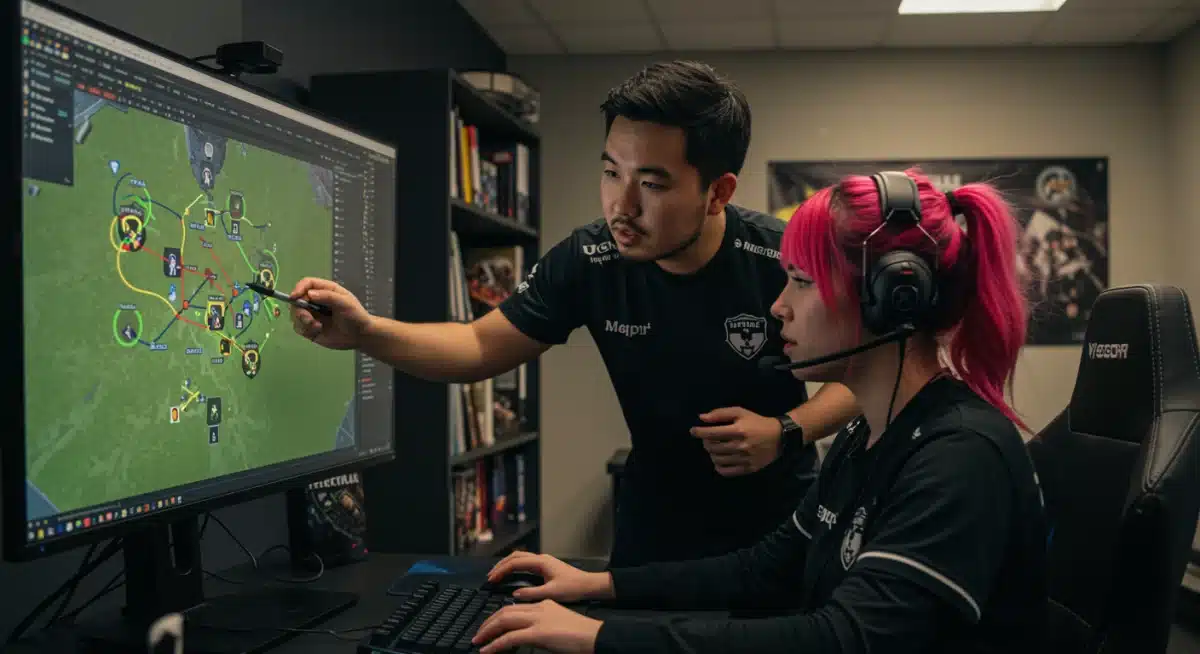
Collegiate esports programs are powerful tools for community building and student engagement on university campuses. They provide a common ground for students with shared interests, fostering strong social connections and a sense of belonging.
Beyond competitive teams, many universities host casual gaming clubs, intramural leagues, and watch parties, creating a vibrant and inclusive gaming culture. These activities cater to a wide range of student interests and skill levels.
The social aspect of collegiate esports is invaluable for student well-being and campus integration, offering a healthy outlet for stress and a platform for developing friendships. This engagement is a key benefit of the rise of collegiate esports in 2026.
Fostering a Sense of Belonging
For many students, especially those who might not engage with traditional sports or clubs, esports provides an accessible and welcoming community. This can be particularly important for students transitioning to university life.
The collaborative nature of team-based esports encourages communication and cooperation, helping students develop essential social skills. These interactions contribute to a more inclusive and supportive campus environment.
Events like esports tournaments and viewing parties bring together the wider university community, creating shared experiences and boosting campus morale. The rise of collegiate esports in 2026 is fostering stronger, more connected student bodies.
| Key Point | Brief Description |
|---|---|
| Scholarship Growth | Significant increase in financial aid for esports athletes by 2026. |
| Professional Pathways | Emergence of clear career routes in the esports industry post-graduation. |
| Institutional Investment | Universities investing heavily in facilities and academic programs. |
| Academic Integration | Esports becoming part of formal curricula and skill development. |
Frequently Asked Questions About Collegiate Esports
The rapid expansion is driven by a confluence of factors: increasing student demand for organized competitive gaming, significant institutional investment in infrastructure, and the growing legitimacy of esports as a professional field. The development of governing bodies also provides essential structure and credibility.
Eligibility for esports scholarships in 2026 typically requires a strong academic record, demonstrated high-level competitive performance in specific game titles, and often participation in tryouts. Students should research individual university requirements, which can vary significantly, and proactively engage with program directors.
Collegiate esports opens doors to diverse careers, including professional player, coach, analyst, and team manager. Beyond direct competition, graduates can pursue roles in event management, marketing, broadcast production, content creation, and game development within the rapidly expanding esports industry.
Yes, many universities are now offering specialized academic programs or courses related to esports. These can include degrees in game design, esports management, digital media, and sports analytics, providing a comprehensive educational foundation for a career in the industry.
Key challenges include ensuring sustainable funding, promoting greater gender diversity and inclusivity, and maintaining academic integrity alongside competitive demands. Addressing these issues is vital for the long-term health and broader acceptance of collegiate esports as a legitimate academic and athletic endeavor.
Looking Ahead
The trajectory for Collegiate Esports points towards continued innovation and integration within higher education.
Stakeholders should monitor evolving institutional policies, technological advancements, and the expansion of professional opportunities.
The ongoing commitment to academic excellence and player well-being will be paramount in shaping this dynamic sector’s future, ensuring its lasting impact on both education and the global gaming industry.