Esports Athlete Wellness in 2026: 3-Month Burnout Prevention Guide

Advertisements
Esports Athlete Wellness in 2026 has become a critical priority as the competitive gaming landscape grows more demanding and professionalized. This 3-month guide highlights structured strategies to prevent burnout while enhancing performance across physical, mental, and nutritional dimensions.
With long training hours and high-pressure environments, athletes now require a holistic approach to sustain peak performance. Practical solutions include optimizing sleep routines, incorporating physical exercise, maintaining balanced nutrition, and developing mental resilience through mindfulness and stress management techniques.
Looking ahead, teams and organizations are increasingly integrating wellness programs into their operations. Monitoring workload, recovery cycles, and mental health support will be essential to ensure longevity and consistent performance in the evolving esports ecosystem.
The Urgency of Esports Athlete Wellness in 2026
The relentless schedule of professional esports, coupled with the sedentary nature of gaming, creates unique health challenges for athletes. Burnout, repetitive strain injuries, and mental health issues are increasingly prevalent, threatening careers and personal well-being. Addressing these concerns proactively is paramount for the sustainability of the industry.
Advertisements
Organizations and individual players are recognizing that raw talent alone is insufficient for long-term success. A holistic approach encompassing physical conditioning, mental resilience, and proper nutrition is now seen as a competitive advantage. This paradigm shift underscores the importance of a structured wellness regimen.
The financial stakes in esports continue to rise, placing immense pressure on athletes to perform consistently at their best. This heightened pressure, without adequate support systems, can lead to severe health consequences, making robust wellness strategies essential. It’s about protecting both the player and the investment.
Month 1: Establishing Foundational Physical Health
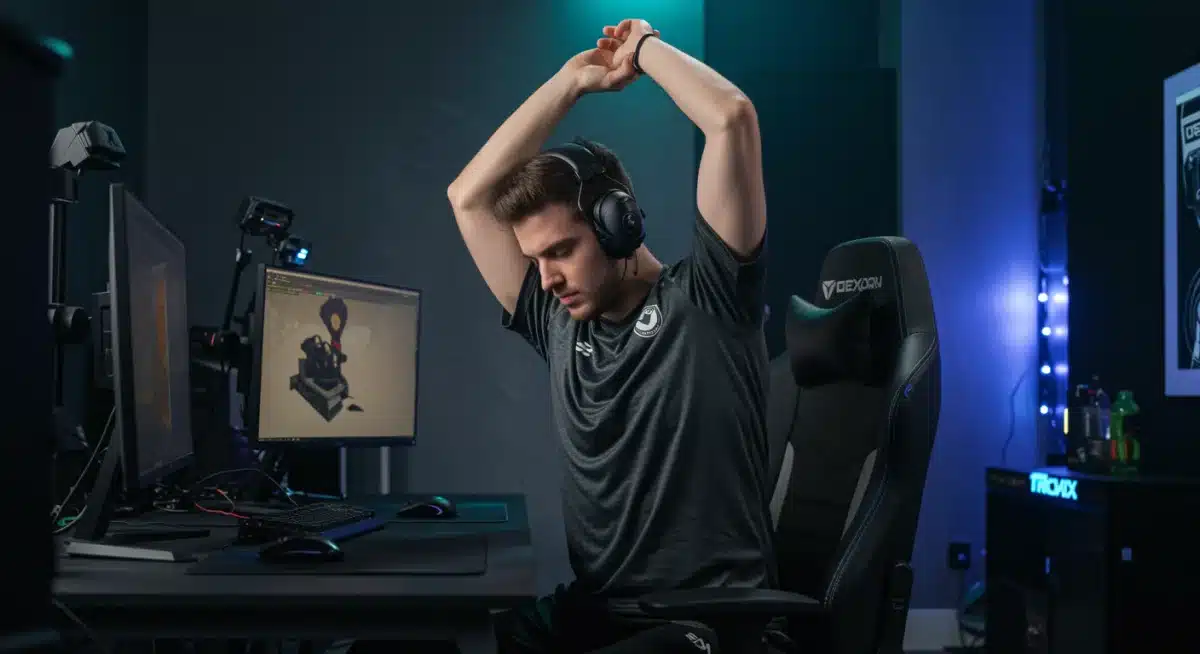
The first month of this wellness program focuses on building a solid physical foundation, crucial for enduring long gaming sessions and preventing common injuries.
This involves incorporating regular physical activity and ergonomic adjustments into daily routines. It acknowledges that the body is the primary tool for performance.
Many esports athletes neglect their physical health, leading to issues like carpal tunnel syndrome, back pain, and eye strain. Addressing these early on through targeted exercises and proper workstation setup can significantly extend a player’s career. Prevention is always more effective than cure in this demanding field.
Developing consistent habits during this initial phase sets the tone for the entire wellness journey. It’s about integrating small, sustainable changes that collectively yield significant improvements in physical well-being and performance. These habits will serve as the bedrock for more advanced strategies.
Ergonomics and Injury Prevention
Optimizing the gaming setup is a non-negotiable first step in physical wellness. Proper chair height, monitor distance, and keyboard/mouse positioning can drastically reduce the risk of repetitive strain injuries. Investing in ergonomic equipment is an investment in career longevity.
- Ensure monitor is at eye level, about an arm’s length away.
- Adjust chair to support the lower back, with feet flat on the floor.
- Use an ergonomic keyboard and mouse to minimize wrist strain.
- Implement short breaks every hour for stretching and movement.
Structured Physical Activity
Integrating moderate physical activity is essential, even if it’s just 30 minutes a day. Activities like brisk walking, light jogging, or bodyweight exercises can improve circulation, reduce stiffness, and boost overall energy levels. This counters the sedentary nature of gaming.
Focus on exercises that strengthen the core and improve posture, as these areas are often neglected by gamers.
Simple routines can be performed at home or in a gym, requiring minimal equipment. Consistency is key to seeing tangible benefits and fostering a healthier body.
Month 2: Cultivating Mental Fortitude and Stress Management
With a physical foundation established, the second month shifts focus to the equally critical aspect of mental health. Esports demands immense cognitive effort and the ability to perform under pressure, making mental resilience a key differentiator. Strategies for stress management and focus enhancement are introduced.
Burnout often stems from unmanaged stress and a lack of mental breaks. This phase introduces techniques like mindfulness, meditation, and structured downtime to help athletes process pressure and maintain emotional balance. It’s about training the mind as rigorously as one trains in-game skills.
The competitive environment can be mentally taxing, with losses, community scrutiny, and internal team dynamics adding to the burden.
Developing robust mental health practices provides a protective shield, allowing players to rebound faster from setbacks and maintain a positive outlook. This is crucial for sustained performance in Esports Athlete Wellness.
Mindfulness and Meditation Practices
Daily mindfulness exercises, even for just 10-15 minutes, can significantly improve focus, reduce anxiety, and enhance emotional regulation.
Simple guided meditations or breathing exercises can be easily integrated into a player’s schedule. This helps quiet the mind and prepare for intense gameplay.
- Start with 5-minute guided meditation sessions.
- Practice deep breathing exercises before and after games.
- Focus on sensory awareness to stay present during breaks.
Effective Stress Reduction Techniques
Beyond formal meditation, developing personal stress reduction techniques is vital. This could include hobbies outside of gaming, spending time in nature, or engaging in creative outlets. These activities provide a necessary mental reset, preventing the accumulation of stress.
Journaling can also be an effective tool for processing thoughts and emotions, offering an outlet for pressure that might otherwise build up.
Recognizing and addressing stress triggers is a crucial step towards long-term mental well-being in esports. This contributes directly to Esports Athlete Wellness.
Month 3: Optimizing Nutrition and Sleep Patterns
The final month consolidates physical and mental gains by focusing on fundamental lifestyle pillars: nutrition and sleep.
These elements directly impact cognitive function, energy levels, and recovery, making them indispensable for peak esports performance. A well-fueled body and rested mind are paramount.
Many esports athletes fall into poor dietary habits due to convenience, leading to energy crashes and compromised health. This phase educates on the importance of balanced meals and hydration for sustained focus and reaction times. It’s about fueling the brain and body optimally.
Sleep deprivation is a common issue in competitive gaming, severely impairing cognitive abilities and increasing stress. Establishing a consistent sleep schedule and improving sleep hygiene are crucial for recovery and maintaining sharpness. This ensures athletes are always performing at their best.
Strategic Nutritional Planning
A balanced diet rich in lean proteins, complex carbohydrates, and healthy fats is essential for sustained energy and cognitive function. Avoiding excessive sugar and processed foods can prevent energy spikes and crashes. Proper hydration throughout the day is also critical for brain performance.
- Prioritize whole foods: fruits, vegetables, lean meats, whole grains.
- Stay hydrated with water, avoiding sugary drinks.
- Plan meals and snacks to maintain stable blood sugar levels.
Developing Optimal Sleep Hygiene
Establishing a consistent sleep schedule, even on non-gaming days, helps regulate the body’s natural circadian rhythm.
Creating a relaxing bedtime routine, avoiding screens before bed, and ensuring a dark, quiet sleep environment can significantly improve sleep quality. Aim for 7-9 hours of quality sleep.
Understanding the impact of caffeine and blue light exposure on sleep is also important. Limiting caffeine intake in the afternoon and using blue light filters can help prepare the body for rest. Adequate sleep is the ultimate performance enhancer for any esports athlete.
Integrating Wellness into Team Dynamics
Individual wellness efforts are significantly amplified when supported by a cohesive team environment. In 2026, successful esports organizations understand that team synergy extends beyond in-game coordination to shared wellness practices. Promoting a culture of health benefits everyone.
Team-wide wellness initiatives can include shared fitness routines, group meditation sessions, or healthy meal planning. These activities not only improve individual health but also strengthen team bonds and communication. A healthy team is a high-performing team in every sense.
Coaches and team managers play a pivotal role in advocating for and implementing these wellness strategies. Their leadership in prioritizing health ensures that athletes feel supported and encouraged to adopt these practices. This collective commitment to Esports Athlete Wellness is a game-changer.
Coaching and Support Systems
Coaches should be trained in basic wellness principles, enabling them to identify early signs of burnout or stress in their players.
Providing access to sports psychologists, nutritionists, and physical therapists is no longer a luxury but a necessity. These professionals offer specialized guidance.
Regular check-ins focusing on well-being, not just performance metrics, create a supportive atmosphere. Encouraging open communication about struggles helps destigmatize mental health challenges within the team. This proactive approach ensures issues are addressed before they escalate.
Sustaining Long-Term Esports Athlete Wellness
Completing a three-month wellness guide is just the beginning; the real challenge lies in sustaining these practices over an entire career. Long-term Esports Athlete Wellness requires continuous effort, adaptation, and a deep personal commitment to self-care. It’s an ongoing journey, not a destination.
Regularly reviewing and adjusting wellness routines based on personal needs and competitive schedules is crucial. What works during an off-season might need modification during an intense tournament period. Flexibility and self-awareness are key to maintaining balance.
The esports landscape is constantly evolving, and so too should wellness strategies. Staying informed about new research in sports science, nutrition, and mental health can provide fresh insights and tools for continuous improvement. Lifelong learning applies to wellness as much as it does to gaming skills.
Continuous Self-Assessment and Adaptation
Athletes should regularly assess their physical and mental state, noting any changes in energy levels, mood, or performance.
Keeping a wellness journal can help identify patterns and areas needing attention. This self-awareness empowers players to take ownership of their health.
- Track sleep quality, stress levels, and energy daily.
- Periodically review physical comfort during gameplay.
- Adjust exercise and diet based on competitive demands.
Building a Resilient Lifestyle
Beyond specific routines, cultivating a generally resilient lifestyle is paramount. This involves fostering strong social connections, engaging in diverse interests, and maintaining a positive outlook. A well-rounded life outside of gaming contributes significantly to in-game performance.
Learning from setbacks, viewing challenges as opportunities for growth, and celebrating small victories are all part of building resilience.
This holistic approach ensures that esports athletes can navigate the highs and lows of their careers with grace and strength, exemplifying true Esports Athlete Wellness.
The Role of Technology in Wellness Monitoring
In 2026, technology plays an increasingly significant role in supporting esports athlete wellness. Wearable devices, AI-powered analytics, and specialized apps offer unprecedented insights into an athlete’s physical and mental state. These tools enable personalized and data-driven wellness interventions.
From tracking sleep patterns and heart rate variability to monitoring stress levels and cognitive performance, technology provides objective data that complements subjective self-assessments. This data empowers athletes and their support staff to make informed decisions about training and recovery. It’s a powerful ally in the pursuit of peak performance.
However, it’s crucial to remember that technology is a tool, not a replacement for human expertise and personal responsibility. Integrating these technologies effectively requires careful consideration to avoid data overload and ensure privacy. The goal is to enhance, not overwhelm, the athlete’s wellness journey, particularly for Esports Athlete Wellness.
Future Trends in Esports Wellness Research
The field of esports wellness is a rapidly expanding area of scientific inquiry, with ongoing research continually refining our understanding of athlete needs. Future trends point towards even more personalized interventions, leveraging advanced biomechanics, neurofeedback, and genetic profiling. This research will further optimize performance and mitigate health risks.
Studies are increasingly focusing on the long-term cognitive impacts of competitive gaming and developing strategies to protect brain health. The interplay between gut microbiome and mental well-being is also gaining traction, suggesting new avenues for nutritional interventions. These insights will shape future wellness protocols.
As esports matures, the emphasis on evidence-based wellness practices will only grow. Collaboration between sports scientists, medical professionals, and gaming organizations will be key to translating research into actionable strategies for athletes worldwide. This commitment to data-driven wellness is vital for the future of esports.
The Economic Impact of Athlete Wellness

Investing in Esports Athlete Wellness is not just a moral imperative but also a sound economic decision for organizations. Healthy athletes perform better, have longer careers, and contribute more consistently to team success, directly impacting revenue and brand value. Burnout and injury lead to costly roster changes and performance dips.
Organizations that prioritize athlete well-being attract top talent and foster a positive team culture, which can be a significant competitive advantage. Reduced healthcare costs, increased player retention, and improved public image are tangible economic benefits. It’s a win-win scenario for both players and organizations.
The return on investment for wellness programs is increasingly clear. Teams that invest in comprehensive support systems for their players see better results, both in terms of competitive outcomes and financial stability. This proactive approach secures the future of both the individual athlete and the entire esports ecosystem.
| Key Point | Brief Description |
|---|---|
| Physical Health | Ergonomics, injury prevention, and structured physical activity are crucial. |
| Mental Fortitude | Mindfulness, stress management, and mental breaks combat burnout. |
| Nutrition & Sleep | Balanced diet and optimal sleep hygiene support cognitive function and recovery. |
| Team Integration | Collective wellness initiatives and coaching support enhance overall team performance. |
Frequently Asked Questions About Esports Athlete Wellness
The escalating demands of competitive esports, coupled with the high stakes involved, make athlete wellness critical. Preventing burnout, managing stress, and maintaining physical health are essential for career longevity and consistent peak performance in the evolving industry.
A typical 3-month plan focuses on establishing physical health through ergonomics and exercise, cultivating mental fortitude via mindfulness and stress management, and optimizing nutrition and sleep patterns. Each month builds upon the previous one for holistic improvement.
Organizations can support wellness by providing ergonomic equipment, access to sports psychologists and nutritionists, promoting team-wide wellness activities, and fostering a culture that prioritizes health. Their commitment is crucial for sustained athlete success.
Technology, such as wearables and AI analytics, helps monitor vital signs, sleep quality, and stress levels. This data provides objective insights for personalized wellness interventions, aiding both athletes and support staff in making informed decisions about training and recovery.
Yes, long-term wellness is achievable through continuous self-assessment, adaptation of routines, and building a resilient lifestyle. It requires ongoing commitment, flexibility, and a proactive approach to physical and mental health throughout an athlete’s career.
What this means
The comprehensive focus on Esports Athlete Wellness signifies a mature and responsible evolution within the competitive gaming industry.
It indicates a clear understanding that human capital is paramount, and its sustained health directly correlates with competitive success and economic viability.
This shift means a brighter future for players, marked by longer, healthier careers and more consistent high-level performance across the global esports stage.