Esports Sponsorship 2026: Maximize Revenue 15%
Advertisements
The Navigating the New 2026 Esports Sponsorship Landscape is evolving quickly as teams and brands adapt to a more data-driven and performance-focused market. Sponsorship remains the dominant revenue stream, accounting for nearly 40% of esports income, with global deals surpassing $1.4 billion and continuing to grow as new industries enter the space.
What changed is the shift toward measurable ROI, diversified sponsors, and new categories such as tech, finance, and even betting partnerships. Teams are increasingly expected to prove value through analytics and engagement metrics, while collaborations with traditional sports organizations and global brands are expanding reach and monetization potential.
Looking ahead, teams should monitor three key factors: stricter performance tracking, emerging sponsorship categories, and rising competition for audience attention. With esports audiences projected to exceed 640 million globally and U.S. ad spend continuing to grow, organizations that optimize partnerships strategically could boost revenue by 15% or more in 2026.
Advertisements
The Evolving Esports Sponsorship Landscape for 2026
The esports industry continues its rapid ascent, but the sponsorship landscape for 2026 is undergoing significant transformation. Teams and organizations must adapt quickly to new market dynamics, technological advancements, and shifting audience demographics to secure vital funding.
Traditional sponsorship models are proving insufficient, necessitating innovative approaches to engage brands and deliver measurable value. Understanding these evolving expectations is paramount for any team aiming for sustainable growth and increased revenue in the coming years.
The imperative for maximizing revenue by 15% is not merely an ambitious target but a strategic necessity for competitive advantage. This requires a deep dive into data-driven strategies, audience engagement, and diversified partnership opportunities.
Key Trends Redefining Esports Sponsorship in 2026
Several critical trends are converging to reshape how sponsorships are forged and maintained within esports. Brands are increasingly seeking authentic connections with fan bases, moving beyond simple logo placements to integrated content and experiences.
The rise of Web3 technologies, including NFTs and blockchain, presents novel avenues for fan engagement and monetization, though their adoption remains nascent.
Furthermore, sustainability and social impact initiatives are becoming non-negotiable for many corporate partners, influencing their selection criteria.
Data analytics and audience segmentation are no longer luxuries but essentials for demonstrating ROI. Teams capable of providing granular insights into their fan bases will hold a significant advantage in securing premium sponsorship deals.
Audience Engagement and Data-Driven Value
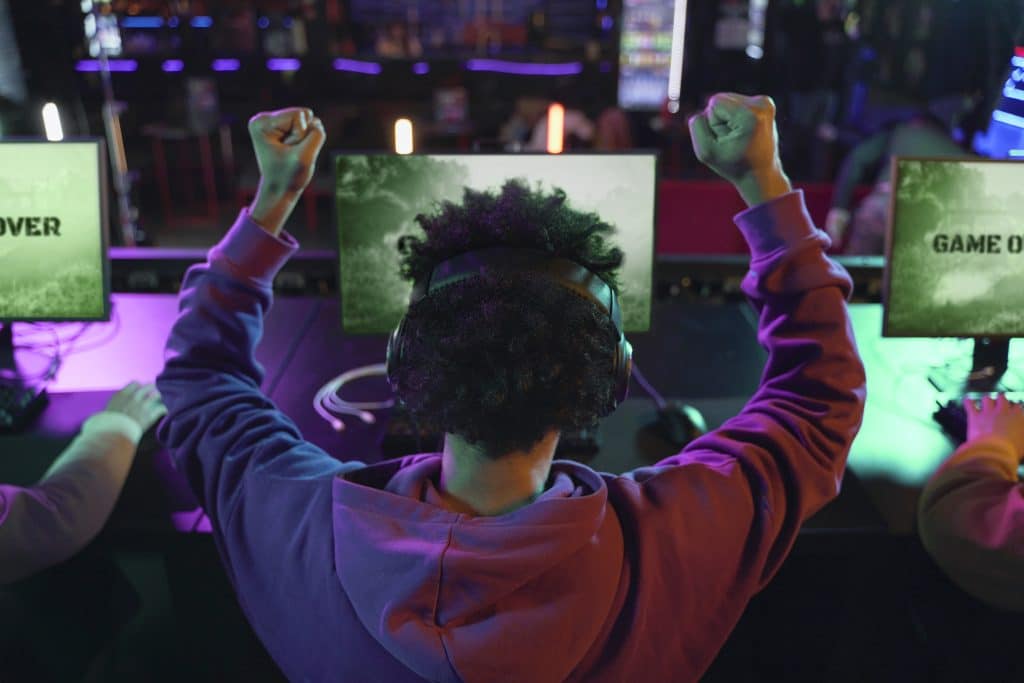
Brands are demanding more than just impressions; they want meaningful engagement with esports fans. Teams must leverage their digital platforms and community managers to foster active, loyal fan bases that sponsors can genuinely connect with.
Collecting and analyzing comprehensive audience data, including demographics, viewing habits, and purchasing behaviors, is crucial.
This data empowers teams to tailor sponsorship proposals that directly address a brand’s target market and marketing objectives, significantly improving conversion rates.
Diversifying Sponsorship Categories and Partners
Beyond traditional gaming peripherals and energy drinks, the 2026 landscape opens doors to a broader array of industries. Automotive, financial services, and even health and wellness brands are recognizing the immense potential of the esports audience.
Teams should proactively identify and target non-endemic brands that align with their values and audience profile.
This diversification not only expands potential revenue streams but also mitigates risk associated with over-reliance on a single industry sector.
Leveraging Content Creation for Enhanced Sponsorship Value
Content creation has emerged as a powerful tool for enhancing sponsorship value and engaging audiences beyond live tournaments. Teams that invest in high-quality, diverse content can offer sponsors unique activation opportunities.
From behind-the-scenes documentaries to player vlogs and interactive fan challenges, compelling content deepens fan loyalty and provides organic integration for sponsor messages. This approach moves beyond transactional advertising to narrative-driven partnerships.
Successful content strategies can significantly increase a team’s reach and influence, making them more attractive to potential partners. The ability to tell a compelling story around a brand’s involvement is a major differentiator in the competitive sponsorship market.
Integrated Brand Activations and Experiential Marketing
Sponsors are increasingly looking for integrated activations that feel authentic to the esports experience. Experiential marketing, such as fan meet-and-greets, branded in-game events, or co-created digital content, offers immersive opportunities.
These activations create memorable interactions for fans and provide sponsors with direct engagement points.
Teams should collaborate closely with brands to design bespoke experiences that resonate with both the esports community and the sponsor’s objectives.
Performance Metrics and ROI for Sponsors
The demand for clear, demonstrable return on investment (ROI) from sponsors has never been higher. Teams must move beyond vanity metrics and provide concrete data that illustrates the impact of sponsorship dollars.
Advanced analytics tools can track brand mentions, website traffic, social media engagement, and even sales conversions directly attributed to sponsorship campaigns. This level of transparency builds trust and justifies future investment.
Establishing clear KPIs (Key Performance Indicators) with sponsors from the outset is essential. Regular reporting and post-campaign analysis ensure that both parties understand the value generated, fostering long-term partnerships in Esports Sponsorship Landscape.
Measuring Audience Reach and Engagement
Effective measurement of audience reach involves tracking viewership across various platforms, including Twitch, YouTube, and other streaming services. Beyond raw numbers, engagement metrics like concurrent viewers, chat activity, and content shares are vital.
For social media, metrics such as impressions, likes, comments, and shares provide insights into audience interaction with sponsored content.
These data points help quantify the exposure and resonance a sponsor receives through a team’s channels.
Attributing Sales and Brand Perception Changes
Direct attribution of sales to sponsorship activities can be achieved through unique discount codes, custom landing pages, or tracking pixels. This provides tangible evidence of commercial impact, which is highly valued by sponsors.
Brand perception changes can be monitored through surveys and sentiment analysis.
Understanding how a sponsorship influences consumer attitudes towards a brand helps demonstrate qualitative ROI, strengthening the case for continued investment in Esports Sponsorship Landscape.
Building Long-Term Strategic Partnerships
The most successful sponsorship relationships in 2026 will be built on strategic alignment and mutual benefit, rather than short-term transactions. Teams should seek partners who share their vision and can grow alongside them.
Developing a deep understanding of a sponsor’s marketing objectives and challenges allows teams to proactively offer solutions and creative activations. This proactive approach transforms a vendor-client relationship into a true partnership.
Regular communication, transparent reporting, and a willingness to innovate together are hallmarks of strong, enduring sponsorships. These relationships are crucial for Esports Sponsorship Landscape.
Cultivating Trust and Transparency
Trust is the foundation of any successful long-term partnership. Teams must be transparent about their audience data, performance metrics, and any challenges that arise. Honesty builds credibility and fosters a collaborative environment.
Providing regular updates and being responsive to sponsor feedback demonstrates commitment and professionalism.
This open dialogue ensures that both parties are aligned and working towards common goals, particularly when Esports Sponsorship Landscape.
Joint Marketing and Co-Creation Opportunities
Exploring opportunities for joint marketing campaigns and co-created content can significantly amplify the value of a sponsorship.
When a team and a brand collaborate on initiatives, it leverages the strengths of both entities.
This could involve co-branded products, shared social media campaigns, or collaborative events. Such activities not only increase exposure for both parties but also create a stronger, more integrated brand story that resonates with fans.
The Role of Player Personalities and Influencer Marketing
Esports players are more than just competitors; they are influencers with significant personal brands. Leveraging these personalities effectively is a powerful component of any 2026 sponsorship strategy.
Individual player sponsorships, endorsements, and integrated content creation with sponsors can extend a team’s reach and provide authentic touchpoints. However, managing player endorsements requires careful coordination to ensure brand alignment and compliance with sponsorship agreements.
Teams should help players develop their personal brands in a way that complements team sponsorships, creating a symbiotic relationship that benefits all stakeholders. This is vital for Esports Sponsorship Landscape.
Player Branding and Endorsement Management
Developing a consistent brand identity for individual players, aligned with the team’s overall image, is crucial.
This includes social media presence, content style, and public interactions, all of which impact sponsor perception.
Effective management of player endorsements involves clear guidelines, training on brand representation, and legal oversight to prevent conflicts of interest or missteps. A well-managed player roster enhances overall team sponsorship appeal.
Authentic Influencer Integrations
The key to successful influencer marketing in esports is authenticity. Sponsors should be integrated into player content in a way that feels natural and valuable to the audience, avoiding overtly promotional or forced messaging.
Collaborating with players to create engaging narratives around sponsored products or services fosters genuine connection.
This approach leverages the player’s credibility and trust with their audience, leading to more impactful sponsorship outcomes.
Navigating Regulatory and Ethical Considerations
As the esports industry matures, so too do the regulatory and ethical landscapes surrounding sponsorships. Teams must remain vigilant regarding advertising standards, data privacy, and responsible marketing practices.
Compliance with regional advertising laws, particularly concerning disclosures of sponsored content, is non-negotiable. Furthermore, ethical considerations regarding gambling, sensitive product categories, and youth audiences demand careful navigation.
Maintaining a strong ethical stance and ensuring regulatory compliance protects a team’s reputation and fosters trust with both fans and sponsors. This diligence is fundamental for Esports Sponsorship Landscape.
Compliance with Advertising Regulations
Advertising regulations vary significantly by region and platform. Teams must ensure that all sponsored content clearly discloses its commercial nature, adhering to guidelines set by bodies like the FTC in the United States.
Failure to comply can result in fines, reputational damage, and loss of sponsor trust. Investing in legal counsel and internal training for players and content creators is a wise preventative measure.
Ethical Sponsorship Choices and Brand Alignment
Selecting sponsors that align with a team’s values and fan base is an ethical imperative. Avoiding partnerships with brands involved in controversial industries or those with questionable ethical practices is critical for maintaining integrity.
Ethical sponsorship choices also involve considering the impact on young audiences, who form a significant part of the esports demographic.
Responsible marketing practices build a positive brand image and foster long-term community support.
Future-Proofing Your Sponsorship Strategy
The esports landscape is dynamic, requiring teams to future-proof their sponsorship strategies. This involves continuous market research, adaptability to new technologies, and a willingness to experiment with emerging platforms and monetization models.
Investing in internal capabilities, such as dedicated sponsorship sales teams and data analysts, will be crucial. Developing a flexible and agile approach allows teams to quickly pivot and capitalize on new opportunities as they arise.
Proactive engagement with industry stakeholders, including game publishers, tournament organizers, and other teams, can provide valuable insights and collaborative opportunities. This collective intelligence is key for Esports Sponsorship Landscape.

Embracing Emerging Technologies and Platforms
Monitoring and selectively adopting emerging technologies, such as virtual reality, augmented reality, and advanced AI, can unlock new sponsorship activations. These innovations offer immersive ways for brands to connect with fans.
Exploring new streaming platforms and social media channels where esports audiences are congregating is also essential.
Being an early adopter on these platforms can provide a competitive edge in attracting new sponsors.
Continuous Learning and Adaptation
The esports industry evolves rapidly, requiring teams to adopt a mindset of continuous learning and adaptation. Regularly reviewing sponsorship strategies and leveraging performance data allows organizations to stay aligned with market trends and maximize revenue potential.
Engaging with industry conferences, thought leaders, and emerging insights helps teams refine their approach. By analyzing competitor strategies and audience behavior, organizations can identify new opportunities and strengthen existing partnerships.
This proactive and data-driven approach ensures long-term relevance and growth. Teams that continuously optimize their sponsorship models are better positioned to remain competitive and increase revenue in the evolving esports landscape.
| Key Strategy | Brief Description |
|---|---|
| Data-Driven Proposals | Utilize audience analytics to tailor compelling sponsorship offers. |
| Content Integration | Embed sponsors organically within engaging team and player content. |
| Diversified Partnerships | Seek non-endemic brands beyond traditional gaming categories. |
| ROI Measurement | Provide clear metrics and attribution to demonstrate sponsor value. |
Frequently Asked Questions on Esports Sponsorship 2026
Teams should focus on presenting detailed audience demographics and engagement data, highlighting the unique reach of esports beyond traditional gaming. Emphasize content creation opportunities and integrated activations that align with diverse brand marketing goals, showcasing a clear path for their investment.
Data analytics is crucial for demonstrating ROI to potential sponsors. Teams must provide granular insights into viewership, engagement rates, and audience behavior. This data helps tailor proposals, prove campaign effectiveness, and justify the financial investment, making sponsorship more attractive.
Player personalities are increasingly vital, acting as powerful influencers. Their individual brands and authentic connection with fans can extend a sponsor’s reach significantly. Teams should strategically manage player endorsements to align with overall team sponsorships and maximize brand exposure.
Ethical considerations include strict adherence to advertising regulations, transparent disclosure of sponsored content, and careful selection of brand partners. Teams must avoid controversial industries and prioritize responsible marketing, especially concerning younger audiences, to maintain credibility and trust.
Future-proofing involves continuous market research, embracing new technologies like Web3, and fostering adaptability. Investing in dedicated sales and analytics teams, along with proactive engagement with industry trends, ensures teams remain competitive and can capitalize on emerging opportunities for revenue maximization.
Impact and Implications
The insights into Esports Sponsorship Landscape clarify the strategic imperatives for esports organizations. The emphasis on data, diversified partnerships, and authentic content integration is not merely theoretical but a roadmap for tangible financial growth.
Teams that proactively embrace these shifts will be best positioned to secure lucrative deals and achieve the targeted 15% revenue increase, ensuring long-term sustainability and competitive dominance. The evolving market demands agility and a forward-thinking approach to partnership development.
Monitoring the convergence of traditional marketing with innovative digital strategies will be crucial. The success of Esports Sponsorship Landscape lies in continuous adaptation and strategic foresight, as the industry continues its dynamic expansion.